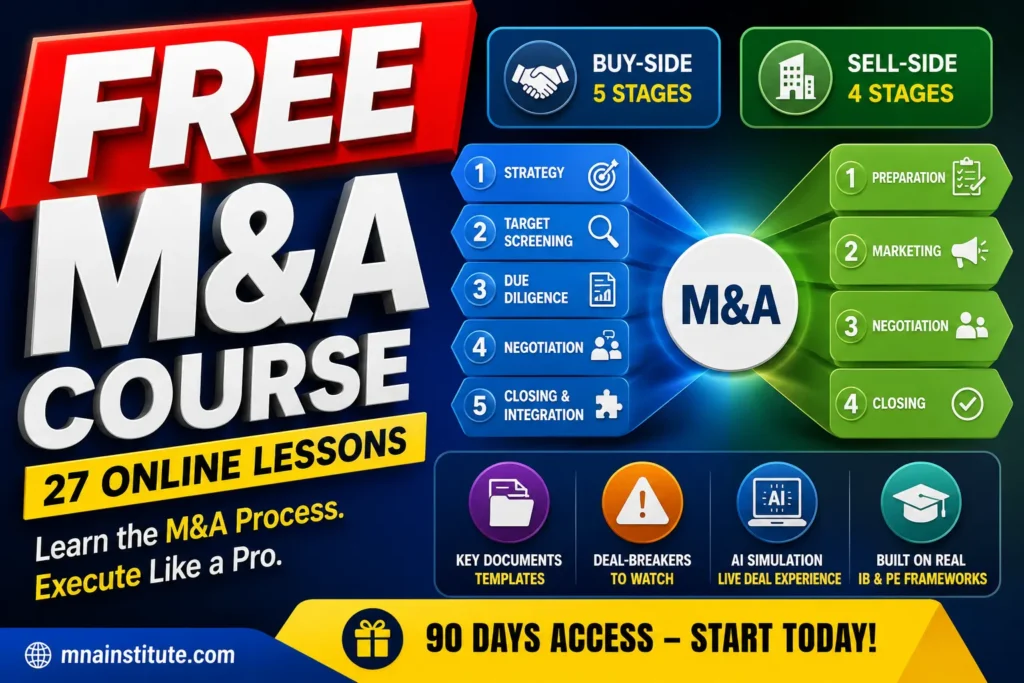
Free Merger and Acquisition Course: 27 M&A Online Lessons
Free Merger and Acquisition Course Online – 27 M&A Lessons A strategy analyst at a consumer goods company is assigned
Free Merger and Acquisition Course: 27 M&A Online Lessons Read Post »
Free Merger and Acquisition Course Online – 27 M&A Lessons A strategy analyst at a consumer goods company is assigned
Free Merger and Acquisition Course: 27 M&A Online Lessons Read Post »
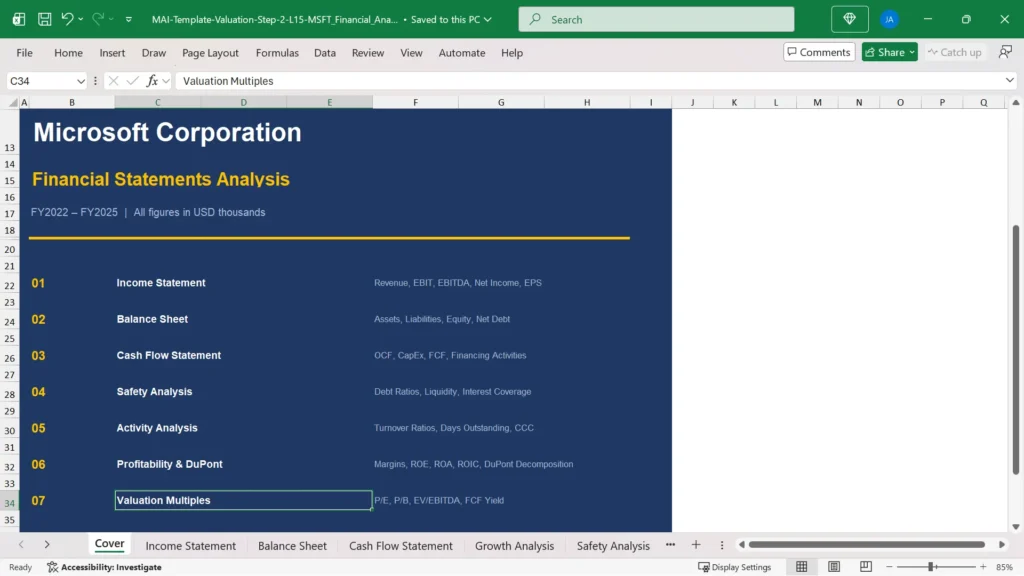
Financial Ratio Analysis Excel: Cash Conversion Cycle, DuPont and Valuation Multiples An analyst does not create value by copying numbers
Financial Ratio Analysis Excel Read Post »
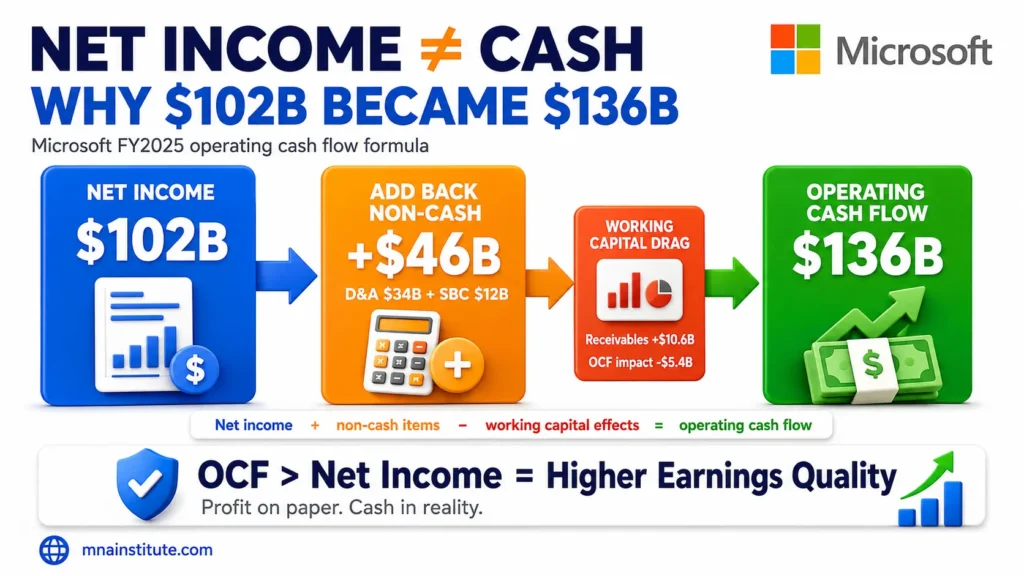
How to Calculate Operating Cash Flow from Net Income Many analysts start with net income because it is the final
How to Calculate Operating Cash Flow from Net Income Read Post »
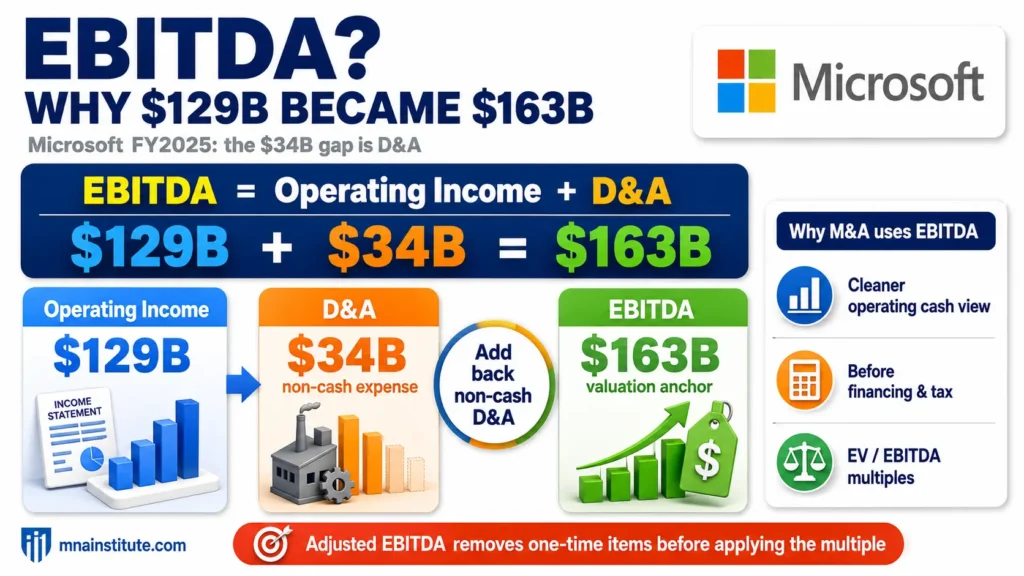
EBITDA Calculation: Formula, EBIT vs EBITDA Explained An income statement is not one profit number. It is a sequence of
EBITDA Calculation: Formula, EBIT vs EBITDA Explained Read Post »

Degree of Operating Leverage (DOL) Formula A margin forecast looks simple until revenue starts moving faster than the cost base.
Degree of Operating Leverage Formula: 3 Powerful Drivers Read Post »

Revenue Recognition ASC 606 & IFRS 15: 5-Step Quality Test with AI A revenue model can look precise while the
Revenue Recognition ASC 606 & IFRS 15: 5-Step Quality Test with AI Read Post »

Three Financial Statements: 1 Business, 3 Questions A junior analyst can open an annual report and still miss the business
Three Financial Statements: 1 Business, 3 Questions Read Post »
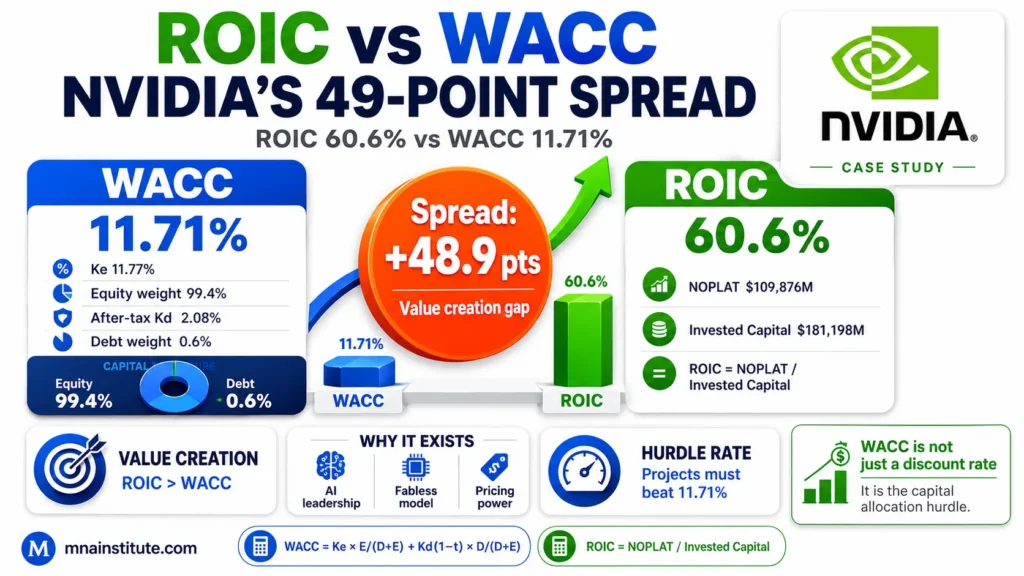
WACC Calculation: ROIC vs WACC with NVIDIA at 11.71% A valuation model is not finished when the discount rate is
WACC Calculation: ROIC vs WACC with NVIDIA at 11.71% Read Post »
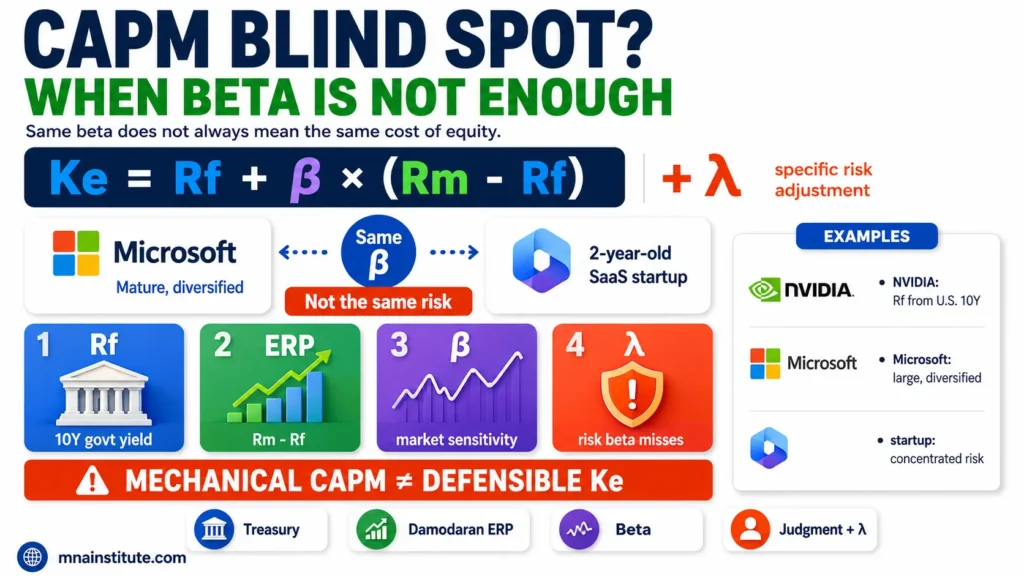
CAPM Formula: Capital Asset Pricing Model in 3 Parts A valuation model can look technically complete and still be wrong
CAPM Formula: Capital Asset Pricing Model in 3 Parts Read Post »
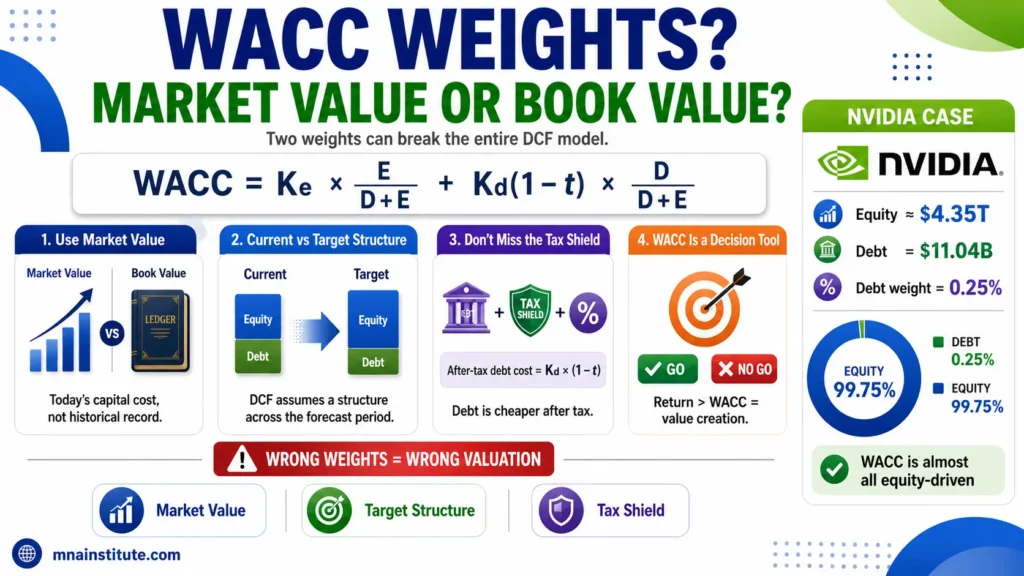
Weighted Average Cost of Capital WACC Formula: 2 Weights A valuation model can look precise while using the wrong discount
Weighted Average Cost of Capital WACC Formula: 2 Weights Read Post »